
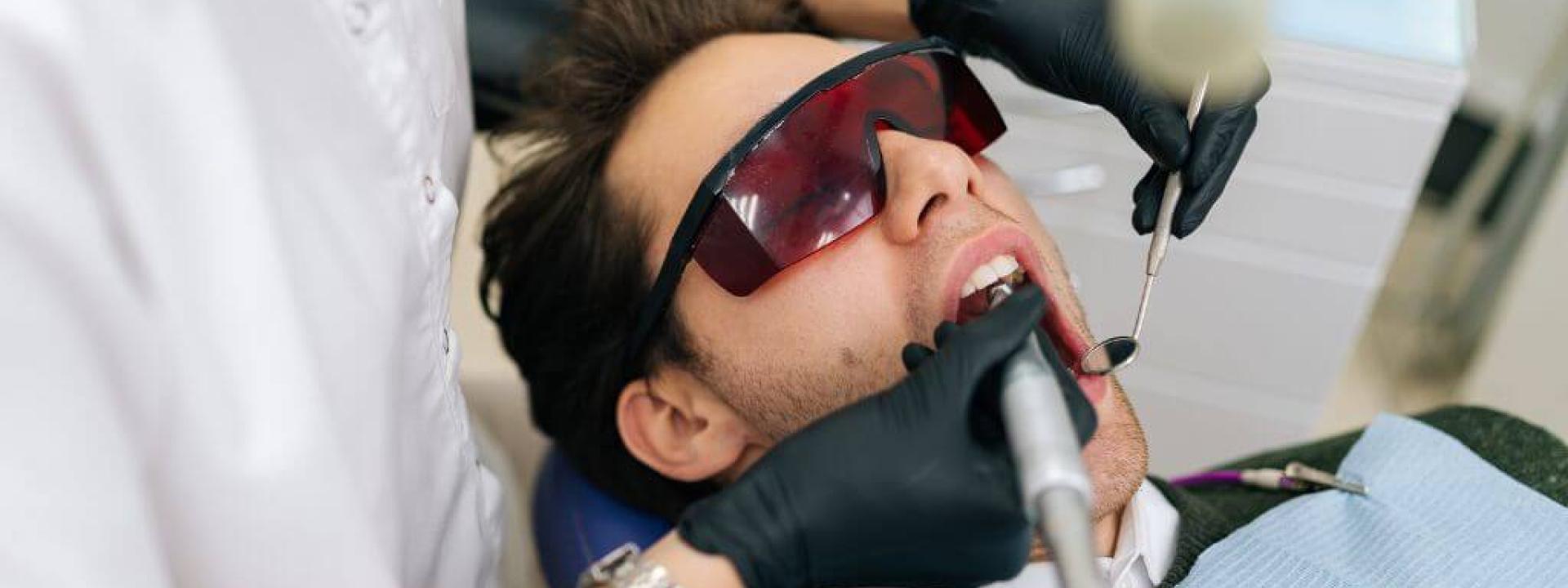
Laser dentistry is a dental care approach that uses focused light beams rather than traditional tools to perform precise treatments. Since the early 1990s, these specialized treatments have revolutionized how dentists address concerns in the mouth. Laser systems allow for more accurate work, often with less patient discomfort.
As dental professionals, we’re here to help you understand laser dentistry and determine whether it’s right for you. Keep reading to learn more!
How Laser Dentistry Works
Dental lasers work by emitting focused light energy that produces controlled reactions when it comes into contact with various types of oral tissue. Depending on the laser’s wavelength and power settings, this energy can precisely alter tooth enamel, bone, or gum tissue.
Dentists are able to guide the laser with exceptional accuracy, treating only the targeted area while preserving surrounding healthy tissue. This level of precision makes dental lasers especially effective for advanced procedures that require meticulous detail and minimal impact on adjacent structures.

Common Uses for Dental Lasers
Dental lasers serve many purposes in modern dentistry.
Some of the most common uses for dental lasers include:
- Cavity detection: Finding early signs of tooth decay before they’re visible to the naked eye
- Cavity treatment: Removing decay and preparing teeth for fillings without traditional drilling
- Gum reshaping: Improving gumline appearance for cosmetic purposes
- Excess tissue removal: Addressing overgrown gum tissue
- Periodontal (gum) disease treatment: Removing infected tissue and reducing bacteria in gum pockets
- Frenectomy procedures: Releasing tongue or lip ties
- Cold sore and canker sore treatment: Reducing pain and healing time
- Teeth whitening enhancement: Activating whitening solutions for faster, more effective results
- TMJ pain relief: Decreasing inflammation and discomfort in the jaw
- Bacterial reduction: Fighting oral infections without antibiotics
- Biopsy procedures: Removing small tissue samples for testing
- Crown lengthening: Exposing more tooth structure for restorative procedures
Laser Dentistry Benefits
Laser dentistry has several advantages over conventional methods. Patients experience less pain during and after procedures, which often means a reduced need for anesthesia and pain medication. The precision of lasers minimizes damage to surrounding tissues, resulting in less swelling, bleeding, and discomfort during recovery.
The healing process after laser procedures is typically faster than with traditional methods. Lasers sterilize as they work, reducing the risk of infections. This sterilizing effect makes treatments more effective while decreasing complications afterward.
Many patients appreciate that laser procedures often take less time than conventional dental work. Lasers’ efficiency translates to shorter appointments and fewer follow-up visits, making it easier to fit dental care into busy schedules.
For those with dental anxiety, laser dentistry provides a more comfortable experience. Many patients report feeling more at ease during treatment without the noise, vibration, and pressure typically associated with dental drills. This enhanced comfort can encourage people to maintain regular dental care instead of avoiding necessary procedures.
What to Expect
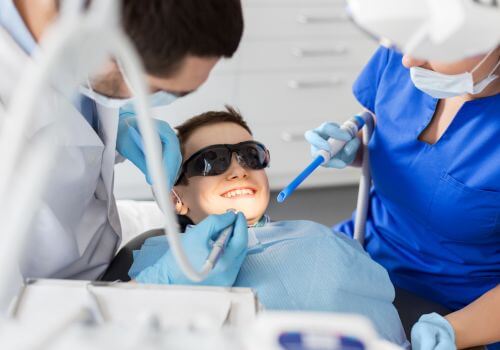
Before your laser procedure, your dentist will review the treatment plan with you and answer any questions you may have. During the procedure, you’ll be given special protective eyewear to keep your eyes safe from the laser, and the dental team will wear protective glasses as well.
Laser dentistry is typically much quieter than traditional dental tools, with little to no vibration. You may hear a soft popping sound as the laser works, and you might notice a mild scent caused by the laser interacting with the tissue. Both are completely normal and nothing to worry about.
Most patients report minimal to no discomfort during laser treatments. Depending on the type of procedure, local anesthesia may be used, often in smaller amounts than what’s required for conventional dental methods.
Appointment length varies based on the treatment, but many laser procedures are completed more quickly than traditional approaches. Your dentist will walk you through what to expect based on your specific needs.
Recovery After Laser Dental Treatment
After a laser procedure, follow your dentist’s care instructions. These might include temporarily avoiding certain foods or beverages, using prescribed or over-the-counter pain relievers, or applying cold compresses to reduce swelling.
There is usually no downtime, so most people resume normal daily activities immediately following laser treatments. More complex procedures might require a brief recovery period, which is usually shorter than conventional treatments.
Contact your dentist right away if you experience unexpected pain, bleeding, or other concerns during recovery. While complications are rare, addressing any issues early ensures the best possible outcome.
Cost and Insurance Considerations
The cost of laser dental procedures varies depending on the specific treatment, your location, and the dentist’s experience with laser technology. Generally, laser treatments cost somewhat more than traditional methods due to the advanced equipment involved.
Many dental insurance plans now cover laser procedures, especially when they’re used for necessary treatments rather than cosmetic improvements. Before scheduling, check with your insurance provider to understand your coverage for laser treatments.
Some patients find that laser dentistry can be cost-effective long-term despite potentially higher upfront costs. Faster healing times often mean fewer follow-up appointments, less time off work, and reduced need for pain medications.
When discussing treatment options with your dentist, ask for a detailed breakdown of costs and insurance coverage. Some dental practices also offer payment plans to help make laser treatments more accessible.
Choosing the Right Dentist
When choosing a dentist for laser treatments, look for a provider with specialized training in laser dentistry. Ask about their experience, including how long they’ve been using laser technology and how frequently they perform procedures like the one you’re considering.
During your consultation, have an open discussion about the potential benefits and risks of laser treatment for your specific needs. A knowledgeable dentist will clearly explain why laser technology is recommended in your case and take the time to address any questions or concerns.
You may also request before-and-after photos of similar treatments or patient testimonials. These examples can help you better understand the dentist’s level of expertise and the results you might expect.
Above all, choose a dentist you feel comfortable with. A provider who listens attentively, communicates clearly, and prioritizes your comfort can make a significant difference in your overall experience and confidence in the treatment.
The Future of Laser Dentistry
Laser technology continues to advance in the dental field as researchers develop new applications and refine existing techniques to make treatments even more effective and comfortable for patients. As equipment becomes more affordable and compact, more dental practices are incorporating lasers into their practices, making laser dentistry increasingly accessible to patients.
With ongoing innovation, patients can expect even more dental procedures to benefit from laser technology in the coming years. These advances promise to make dental care more precise, comfortable, and effective for people of all ages.
Laser dentistry offers a more comfortable, precise, and efficient option for many dental procedures. The reduced pain, faster healing, and decreased anxiety make it an appealing choice for people who want modern solutions for their oral health needs. Ask your dentist about laser options during your next appointment to learn if these advanced treatments could benefit your oral health.